Does a New Kitchen Add Value to Your Home? | More Kitchens
Published: 28 May 2024 · Last Updated: 25 June 2026
How Much Value Does a New Kitchen Add to Your Home?
Does a new kitchen add value? In most cases, yes. A well-designed kitchen can add between 5% and 15% to a property’s value while also making it more attractive to potential buyers.
More Kitchens’ own Kitchen Value Trends 2025 found that homes with modern, well-maintained kitchens generated stronger buyer interest and were viewed more favourably than properties with dated or poorly presented kitchens.
This aligns with wider industry guidance from organisations such as Which? and RICS, which consistently identify kitchens as one of the most influential rooms when buyers assess a property’s value and desirability.
While no renovation can guarantee a specific return, a thoughtfully designed kitchen remains one of the most effective ways to improve both everyday living and long-term property appeal. In this article, we’ll explore how much value a new kitchen can add, how much you should spend, which features buyers prioritise and how to maximise your return on investment.

How Much Value Does a New Kitchen Add in the UK?
A new kitchen is widely regarded as one of the home improvements most likely to increase property value, with many property experts estimating an uplift of between 5% and 15%. The exact uplift depends on the quality of the renovation, the property’s location, the local housing market and how well the kitchen suits the home.
The reason for such a wide range is simple. A cosmetic refresh involving replacement doors and worktops is very different from a fully redesigned kitchen featuring structural alterations, premium materials, integrated appliances and improved layout.
According to the UK House Price Index published by HM Land Registry, the average UK house price was approximately £270,000 in April 2026.
Using that figure, the potential uplift could equate to:
| Potential Uplift | Additional Property Value |
| 5% | £13,500 |
| 10% | £27,000 |
| 15% | £40,500 |
Of course, the exact figure depends on your property’s location, value and condition. A kitchen renovation in Harrogate, Ilkley or York may generate a different return to an equivalent project elsewhere in Yorkshire.
Our own Kitchen Value Trends 2025 study also found that buyers consistently place significant importance on kitchen condition when assessing a property’s desirability, reinforcing the role a well-designed kitchen plays in supporting resale value.
How Much Should You Spend on a Kitchen Renovation?
A widely accepted industry guideline is to invest between 5% and 15% of your property’s current value on a kitchen renovation as doing so ensures the kitchen remains proportionate to the overall value of the home.
Spending significantly above this level can lead to overcapitalisation, where the cost of the renovation exceeds the value it adds. Whereas spending substantially below it can result in a kitchen that feels out of step with the rest of the property and may fail to meet buyer expectations.
Using the same £270,000 property example, budget recommendations based on property value equate to:
| Percentage of Property Value | Recommended Kitchen Budget |
| 5% | £13,500 |
| 10% | £27,000 |
| 15% | £40,500 |
Which? guidance similarly advises homeowners to consider the value of their property before investing heavily in major home improvements.
As Rob, Project Manager at More Kitchens, explains:
“One rule of thumb is to spend around 5% to 15% of your property’s value on a new kitchen. Spending too little may not create the impact you’re looking for, while spending too much could mean you don’t see the full return when it comes to selling.”
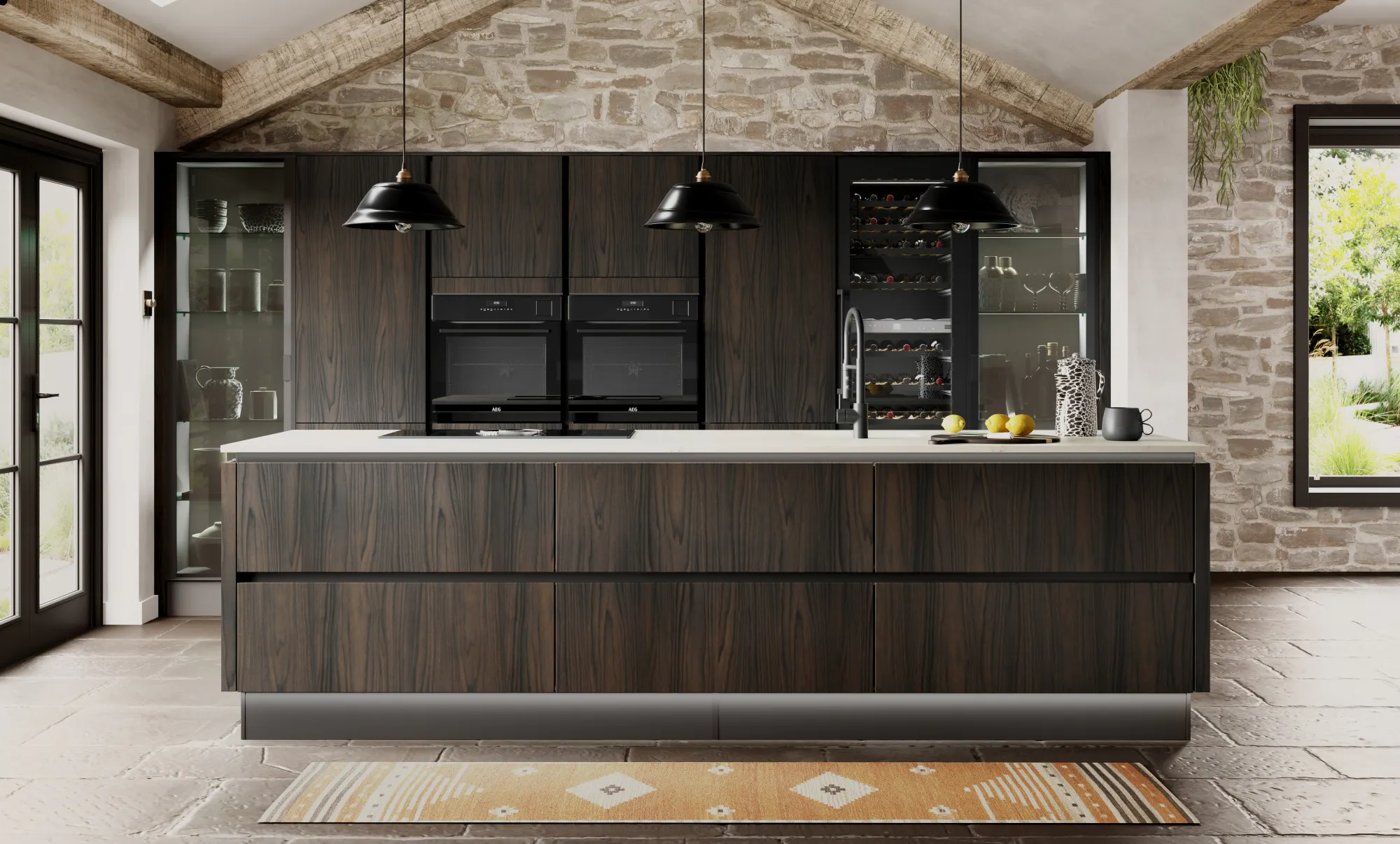
The most successful kitchen renovations are those that balance investment, practicality and suitability for the property. Rather than simply choosing the most expensive products available, homeowners should focus on creating a kitchen that complements the home and appeals to potential buyers should they foresee selling in the future.
What Factors Determine How Much Value a Kitchen Adds?
Not all kitchen renovations deliver the same return. Several factors influence how much value a new kitchen may add.
Property Type and Value
Kitchen renovations often generate proportionally stronger returns in mid-range homes where buyers expect a modern contemporary kitchen but where there is still clear scope for improvement. In lower-value properties, local price ceilings can limit potential uplift regardless of specification.
Location
Property values vary considerably across Yorkshire and the wider UK. A 10% increase on a £500,000 property represents a significantly greater monetary uplift than a 10% increase on a £180,000 property.
Scope of Renovation
Structural improvements such as creating an open-plan kitchen, removing walls or adding a kitchen extension generally deliver greater value than a straightforward like-for-like replacement.
Design Longevity
Timeless classic kitchen designs tend to retain value for longer. Neutral colour palettes, quality materials and practical kitchen layouts generally appeal to a broader range of buyers than highly personalised styles.
Quality of Installation
Even premium products can lose value if poorly installed. Uneven worktops, misaligned doors, poor tiling and visible defects are immediately noticeable to prospective buyers and can undermine confidence in the property overall.
Budget, Standard and Luxury Kitchen Renovations: Value by Tier
Before deciding how much to invest, whether 5 or 15%, it's important to understand that not all kitchen renovations deliver the same return, as the materials, specifications and overall scope of the project can significantly influence both the cost and the value added.
Whether you're planning a simple refresh, a full family kitchen renovation or a bespoke luxury design, choosing the right level of investment for your property is key to achieving the best return.
Budget Kitchen Renovation
A budget kitchen renovation typically includes flat-pack cabinetry, laminate worktops, vinyl flooring, and mid-range appliances. These projects are often suitable for homeowners looking to modernise a dated kitchen in a property they may not foresee as there forever home.
A well-executed budget renovation can typically deliver an uplift of around 5% to 7%. However, installation quality remains important, as visible defects can quickly reduce buyer confidence and affect perceived value.

Standard Kitchen Renovation
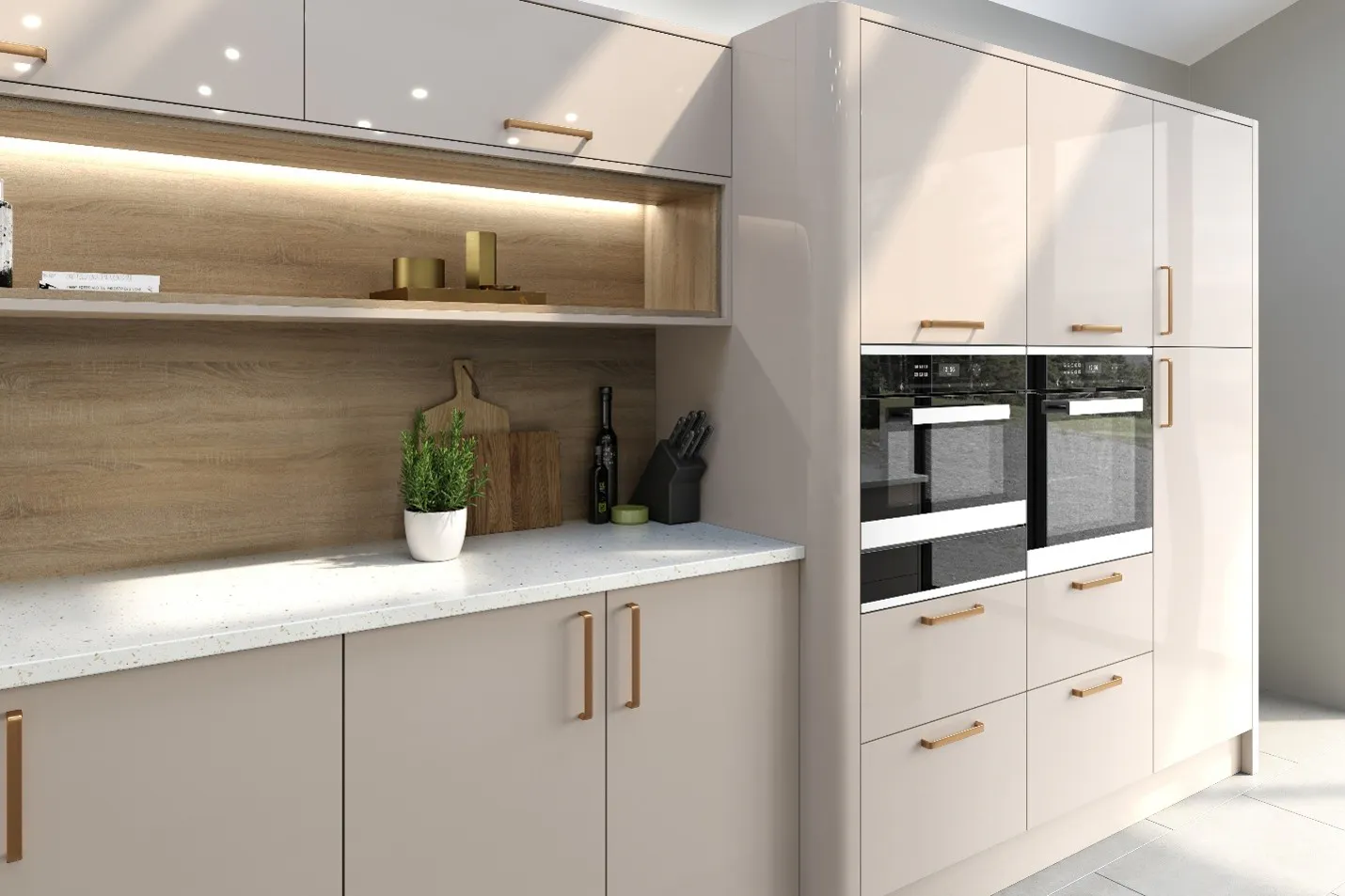
A standard kitchen renovation usually incorporates flat pack or rigid / semi-rigid cabinetry, composite or quartz worktops, LVT flooring and integrated appliances with modern scope for some smart kitchen technology.
This level of renovation often provides the strongest balance between investment and return, typically generating an uplift of around 7% to 10%. It is particularly well suited to family homes where durability, practicality and long-term value are priorities.
For most Yorkshire homeowners, this tier offers the best balance between cost, longevity and potential return on investment.
Luxury and Bespoke Kitchen Renovation
Luxury kitchen renovations often feature solid hardwood or premium veneered cabinetry, natural stone or high-specification quartz worktops, premium flooring and integrated appliances with the latest smart technology.
From app-controlled ovens to intelligent refrigeration and voice-activated functionality, modern smart appliances can enhance convenience, efficiency and the overall kitchen experience. Learn more about the rise of smart appliances in the kitchen.
While these projects can significantly improve lifestyle and market appeal, the percentage return is often slightly lower at around 8% to 10% because the initial investment is substantially higher. However, the lifestyle benefits and saleability improvements can be considerable in the right property.
Luxury renovations are most appropriate where buyers expect a premium specification. Explore our range of bespoke kitchens to discover how tailored design and craftsmanship can transform your home.

Kitchen Features That Add the Most Value
Research from our Kitchen Value Trends 2025 study identified storage, layout, condition and presentation among the factors most likely to influence buyer perception.
Storage
Well-designed kitchen storage remains one of the most sought-after features in modern kitchens. Practical storage solutions help reduce clutter, improve organisation and make everyday life easier.

Open-Plan Layouts
Creating an open-plan kitchen or incorporating a kitchen extension can significantly improve flow, usability and perceived property value. Open-plan spaces remain highly desirable for modern family living.

Kitchen Islands
A well-designed kitchen island provides additional preparation space, storage, seating and social interaction. In larger kitchens, islands are often viewed as a premium feature.
Integrated Appliances
Premium kitchen appliances such as integrated dishwashers, refrigeration and built-in ovens contribute to a cleaner, more seamless appearance and a higher-end finish.

Quality Worktops
Quality kitchen worktops are often one of the first features buyers notice. Durable materials such as quartz can create a strong visual impact while offering practical benefits.
For more information, read our Guide to Kitchen Worktops.
Timeless Colour Palettes
Neutral colours such as white, sage green, anthracite and warm greys continue to perform well because they appeal to a broad range of buyers and are less likely to date. Choosing a timeless colour palette can help ensure your kitchen remains attractive for years to come, reducing the need for future updates.
If you're looking for inspiration, explore our guide to kitchen wall colour ideas.
Kitchen Renovation Pitfalls That Can Reduce Value
Even the best-planned kitchen renovation can fail to deliver its full potential if common mistakes are overlooked. From overspending on a property that cannot support the investment to prioritising style over practicality, certain decisions can reduce both buyer appeal and return on investment.
Understanding these pitfalls can help you make more informed choices and maximise the value your new kitchen adds.
Overcapitalising
Spending significantly more than your property’s value can realistically support may reduce your return on investment. Buyers are often unwilling to pay a substantial premium simply because a kitchen specification exceeds local market expectations.
Overly Personalised Design Choices
Highly specific colour schemes, unusual materials or niche design trends may limit buyer appeal. A kitchen that perfectly suits one homeowner may not appeal to a wider audience.
Poor Workmanship
Buyers quickly notice poor installation. Crooked units, uneven tiling, poor silicone finishing and ill-fitting worktops can make an otherwise attractive kitchen feel lower quality.
Ignoring Layout and Workflow
A kitchen must function well as well as look good. Following the principles behind the golden triangle of kitchen design can help create a layout that feels intuitive and efficient.
Lack of Storage
Insufficient storage remains one of the most common frustrations homeowners experience. Even an attractive kitchen can feel impractical if everyday items cannot be stored effectively.
How More Kitchens Helps You Add Value
At More Kitchens, we understand that adding value is about far more than choosing attractive units and worktops. Every project begins with understanding your wants, needs and design preferences, as well as your longer-term plans.
Whether you're creating a kitchen to enjoy for many years to come or considering how it may support a future house move, these conversations play an important role in shaping the final design.
Our experienced in-house designers take the time to understand how you live, use your kitchen and what matters most to you. By combining practical advice, thoughtful design and decades of experience, we help create kitchens that are tailored to your lifestyle while remaining appropriate for your property and investment goals.
Our full project-managed service helps reduce many of the risks that can undermine return on investment, including poor workmanship, trade coordination issues and specification mistakes.
With more than 60 years of experience working in homes across Yorkshire, we understand what local homeowners and buyers value most, helping to create kitchens that deliver both immediate enjoyment and long-term appeal.
Whether you're planning a complete renovation or simply exploring your options, understanding what could add value to your home starts with expert advice tailored to your property, lifestyle and goals.
To discus your project with our experienced designers, book a free design appointment today.

Frequently Asked Questions
Does a new kitchen add value to your home?
Yes. A new kitchen is consistently one of the home improvements most likely to increase property value in the UK, with most estimates placing the uplift between 5% and 15%.
How much value does a new kitchen add to a house in the UK?
A new kitchen can typically add between 5% and 15% to the value of a UK property. For a home worth £270,000, that could equate to between £13,500 and £40,500.
How much should I spend on a kitchen renovation in the UK?
An industry accepted guideline is to spend between 5% and 15% of your property’s value on a kitchen renovation to achieve a proportionate return.
Is a kitchen renovation worth it if I am not planning to sell?
Yes. A new kitchen can improve functionality, storage, comfort and enjoyment for many years. Any future resale value should be viewed as an additional benefit.
What type of kitchen adds the most value to a home?
Kitchens that combine generous storage, integrated appliances, quality worktops, efficient layouts and timeless styling generally add the most value.
Do I need planning permission for a kitchen renovation?
Most kitchen renovations do not require planning permission. However, structural alterations, extensions or changes to the exterior of a property may require approval from your local authority.
Share this Post